Why I'm going back to Ukraine
The worst cappuccino I ever had was in Folkestone, England.
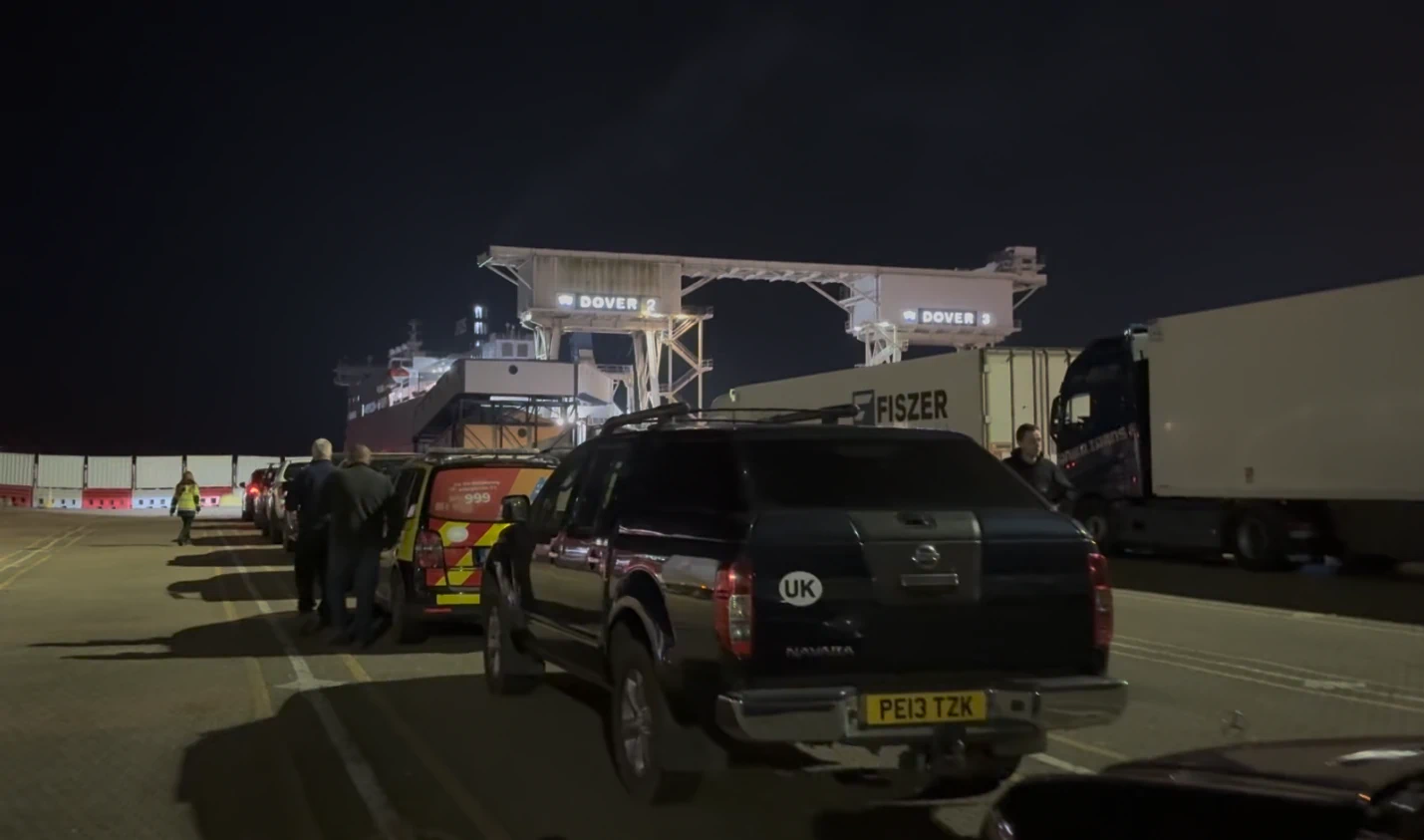
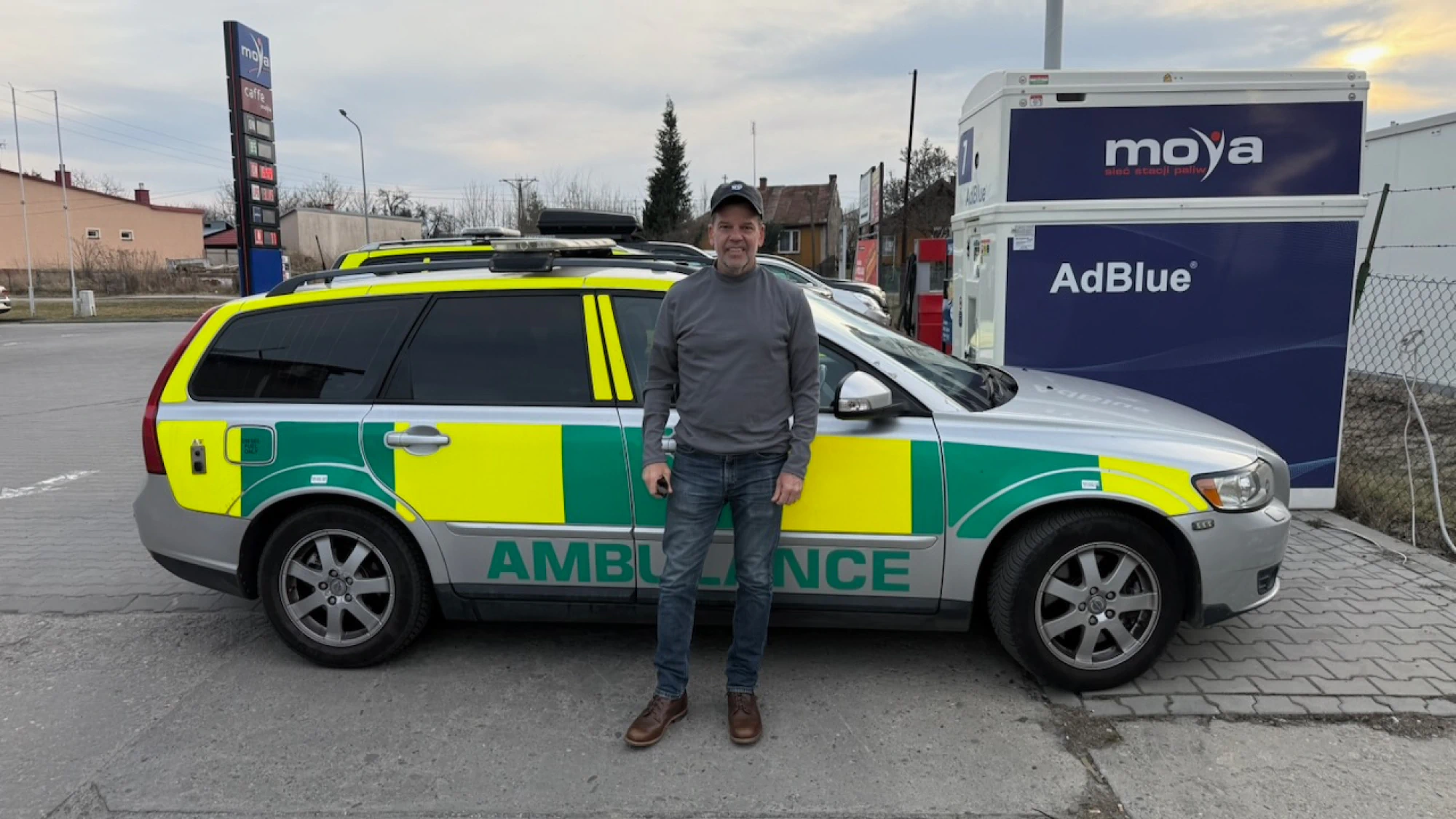
Folkestone is a coastal town where, eighty years earlier, tens of thousands of soldiers walked down the very same street on which I stood on their way down to the Channel. They were headed to war. Leaving a half-finished cappuccino behind, I was headed to catch a ferry, along with a used ambulance and a cough I couldn’t shake—not exactly the same stakes, but I’d like to think we shared a certain grim determination.
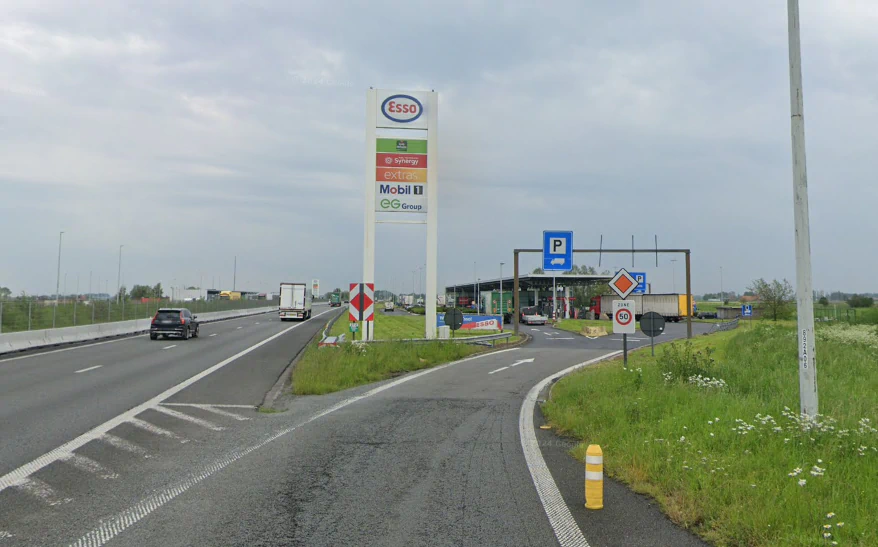
My 60th birthday arrived at midnight just after crossing the Channel, and my comrades helped celebrate the occasion by singing happy birthday to me at an Esso roadside fuel station just up the coast from Dunkirk. Standing under fluorescent lights, surrounded by a cheerful bunch of Brits, I might have imagined something different—a nice dinner, maybe, or a cake from somewhere other than a gas station—but honestly, it was perfect.
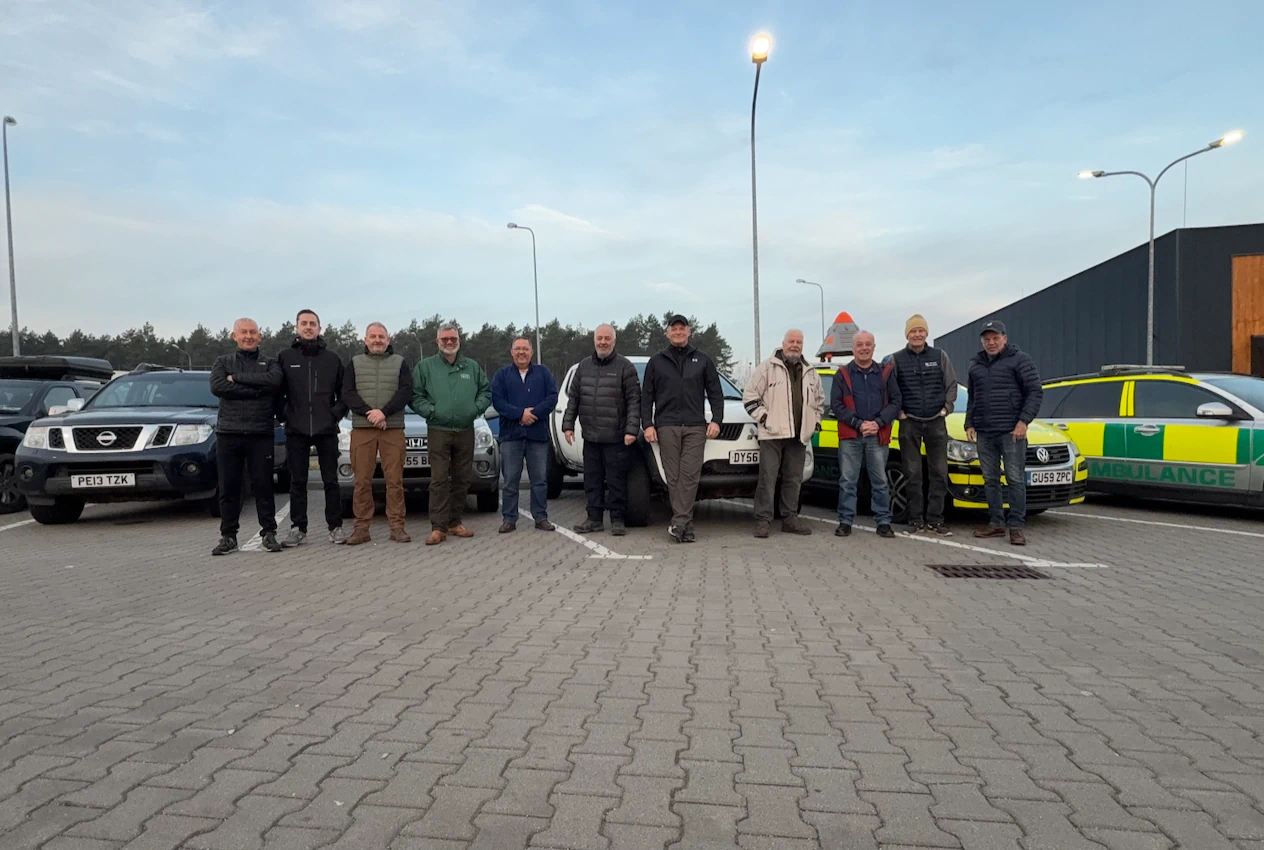
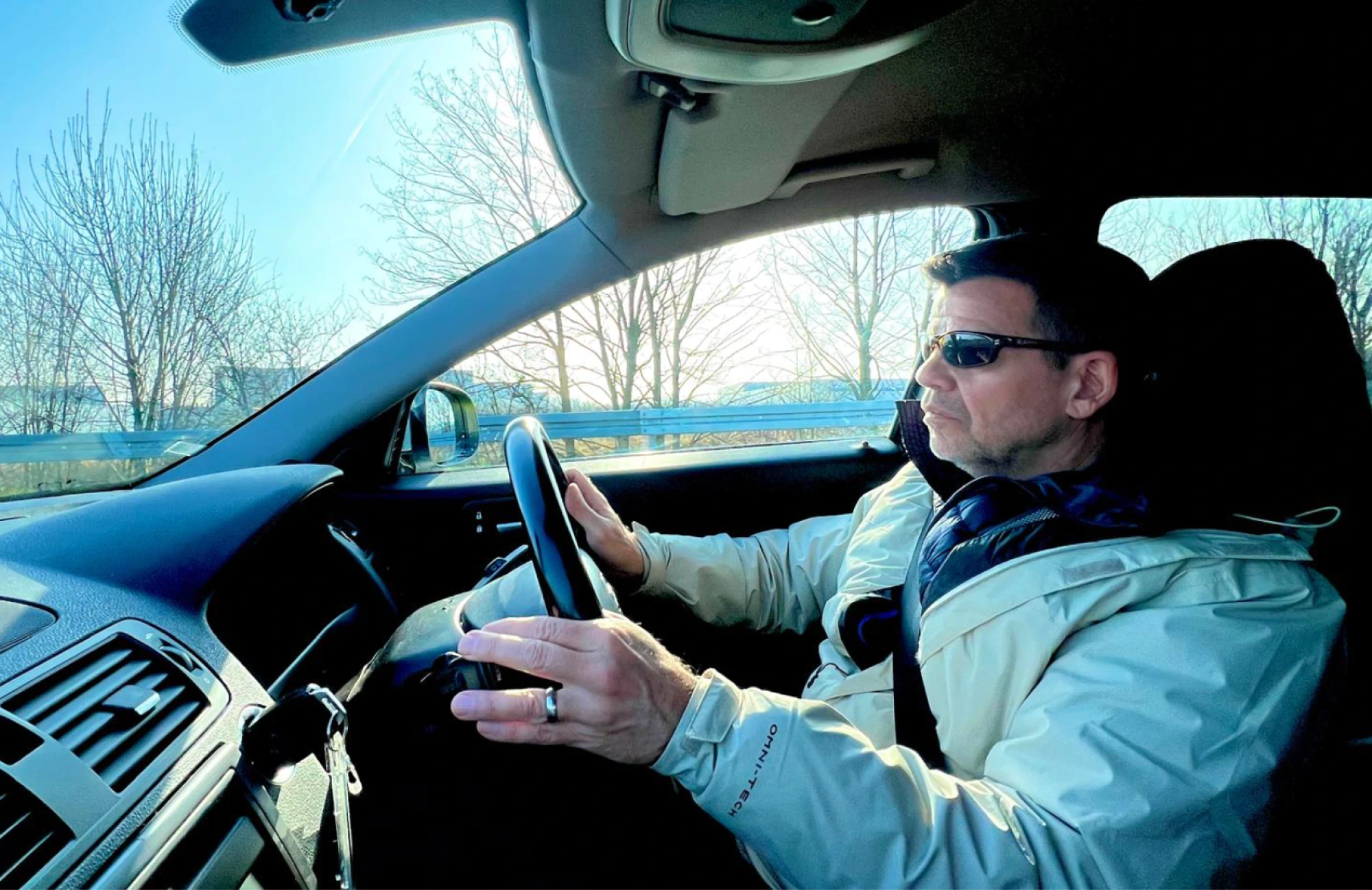
After that the days blurred, driving twelve hours at a stretch trying to keep up with the British crew who have done this run literally dozens of times, the way some people commute to the office.
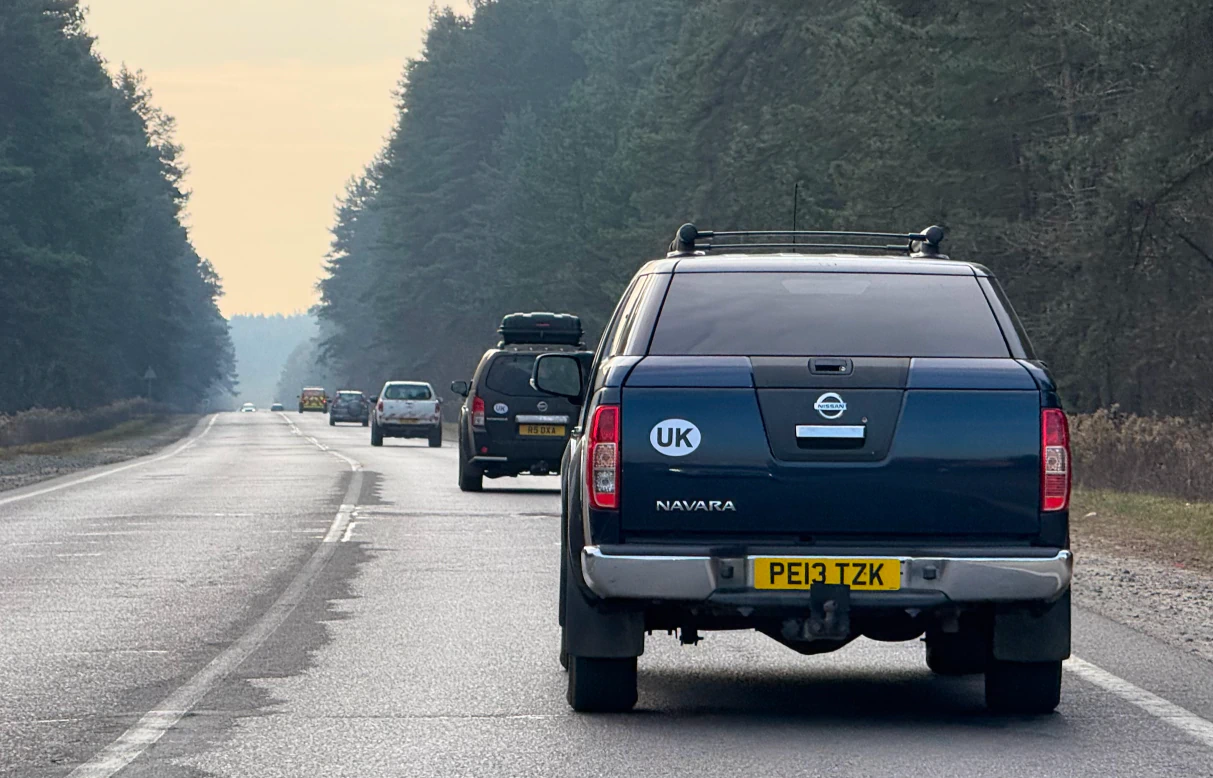
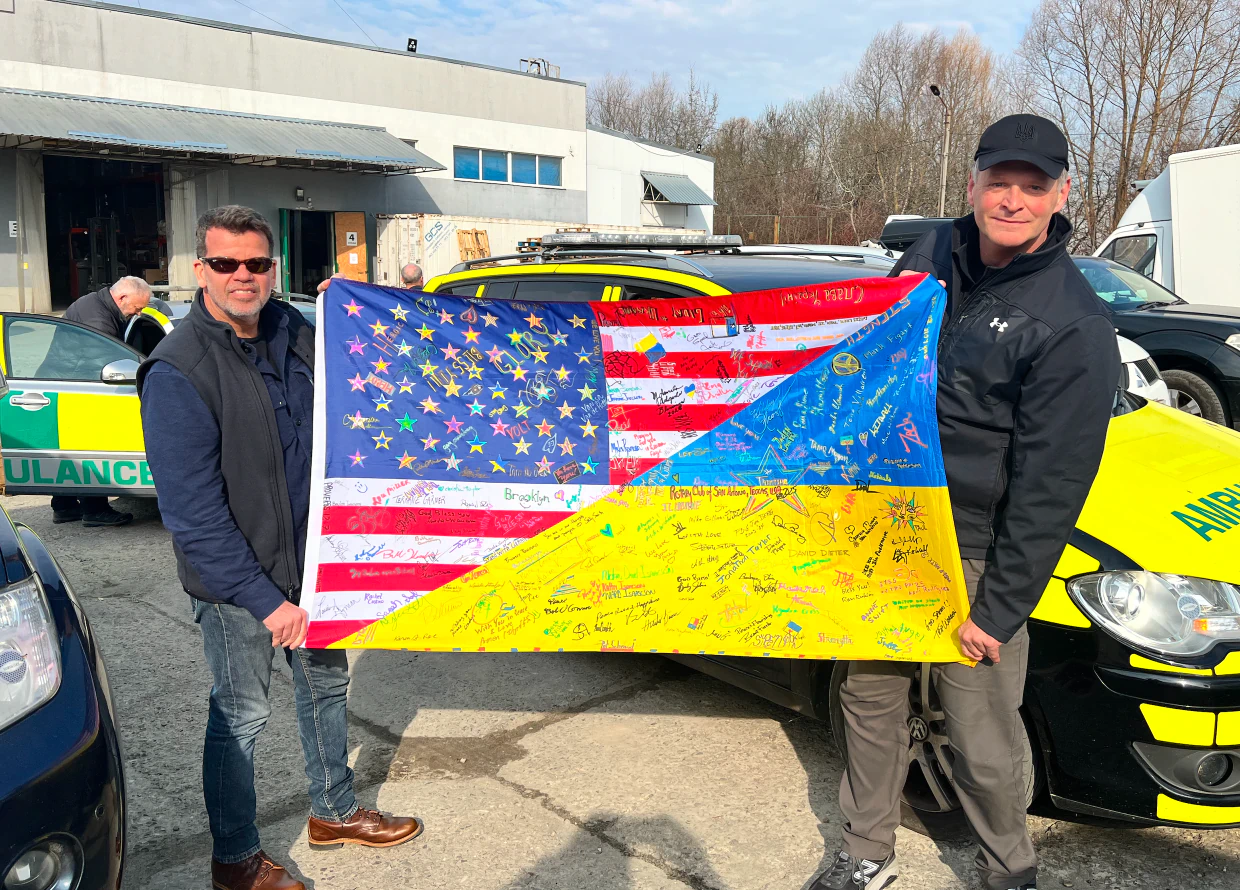
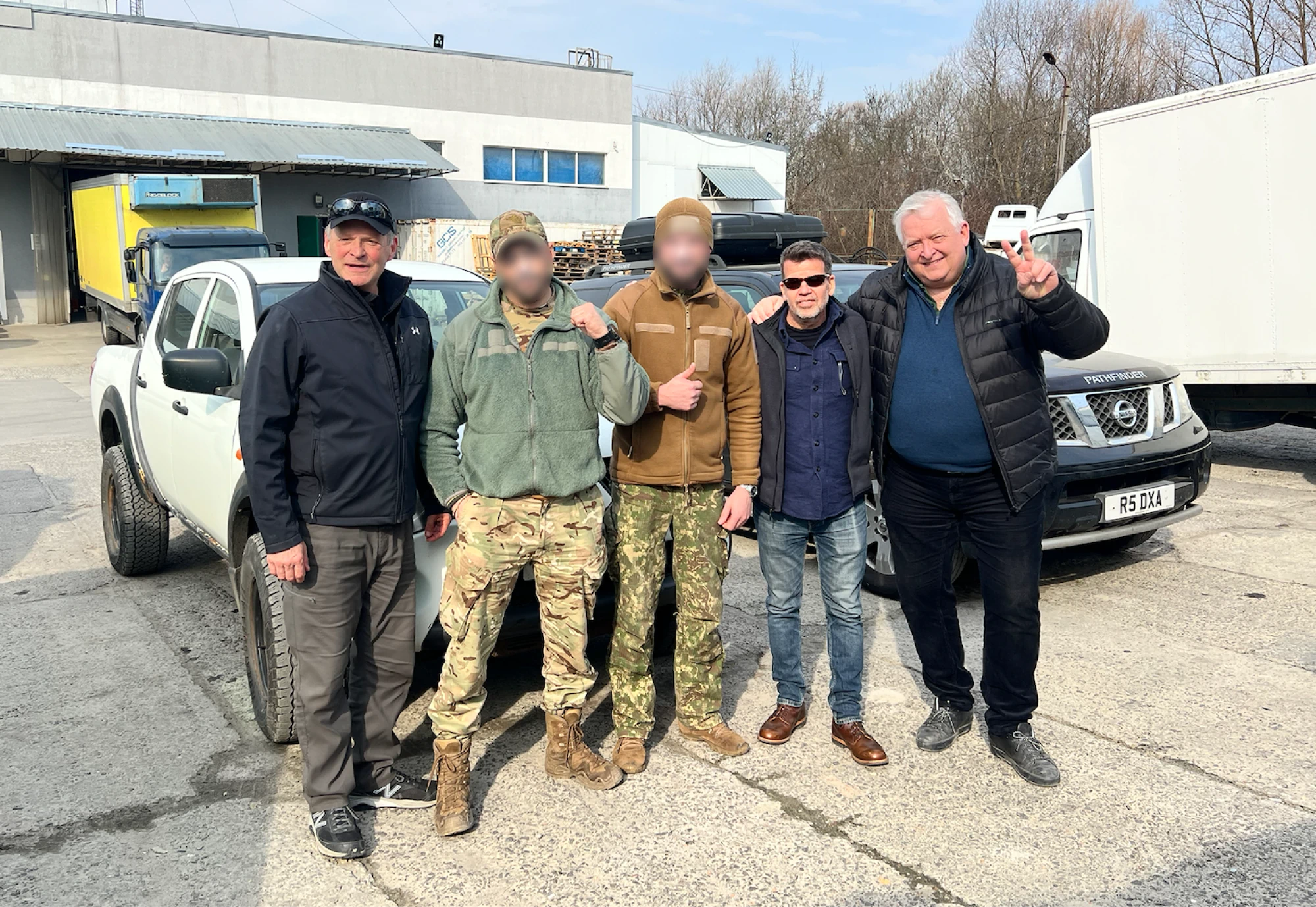
That was last March. I’d come across this opportunity thanks to a fellow Rotarian, JC, who invited me to go along for the ride and to share the drive time with him. It’s largely a Rotarian effort, with volunteers from various Rotary Clubs throughout the UK, with a good deal of financial support coming from clubs in and around San Antonio. As with most successful efforts of any size there are a couple of linchpins who organize it, who move the people, who make it all work. In the end, collectively, it’s ordinary people being extraordinary, buying used vehicles, patching them up, filling them with supplies, and driving them straight into Ukraine. No bureaucracy, no shipping containers, just keys in hand, delivered to people who need them. On my first trip, the vehicles were generally being used for rescue of the wounded and evacuation of displaced civilians. There are still rescues happening, but more and more these vehicles are being used to sustain the defense mission, to help stop the advance of the invading Russian military forces.
I almost didn’t go last year. Not because I was afraid of what might happen in Ukraine—I’ve always had a bit of the adventurer in me—but because I’d come down with a nasty cough days before my flight and wasn’t sure I’d recover in time. I paid the airline $700 at the last minute to delay my departure, spent the next 48 hours lying on my couch wondering if I should just stay home, then decided to go only because I wasn’t getting worse as far as I could tell. The cough came with me. Across the Channel, through the checkpoints, past the occasional soldiers stationed at bridges, all the way to Lviv. I’m sure I made an inspiring impression: The American volunteer, hacking into his elbow while trying to look stoic.
A second time
I’ve been trying to articulate why I want to do it again.
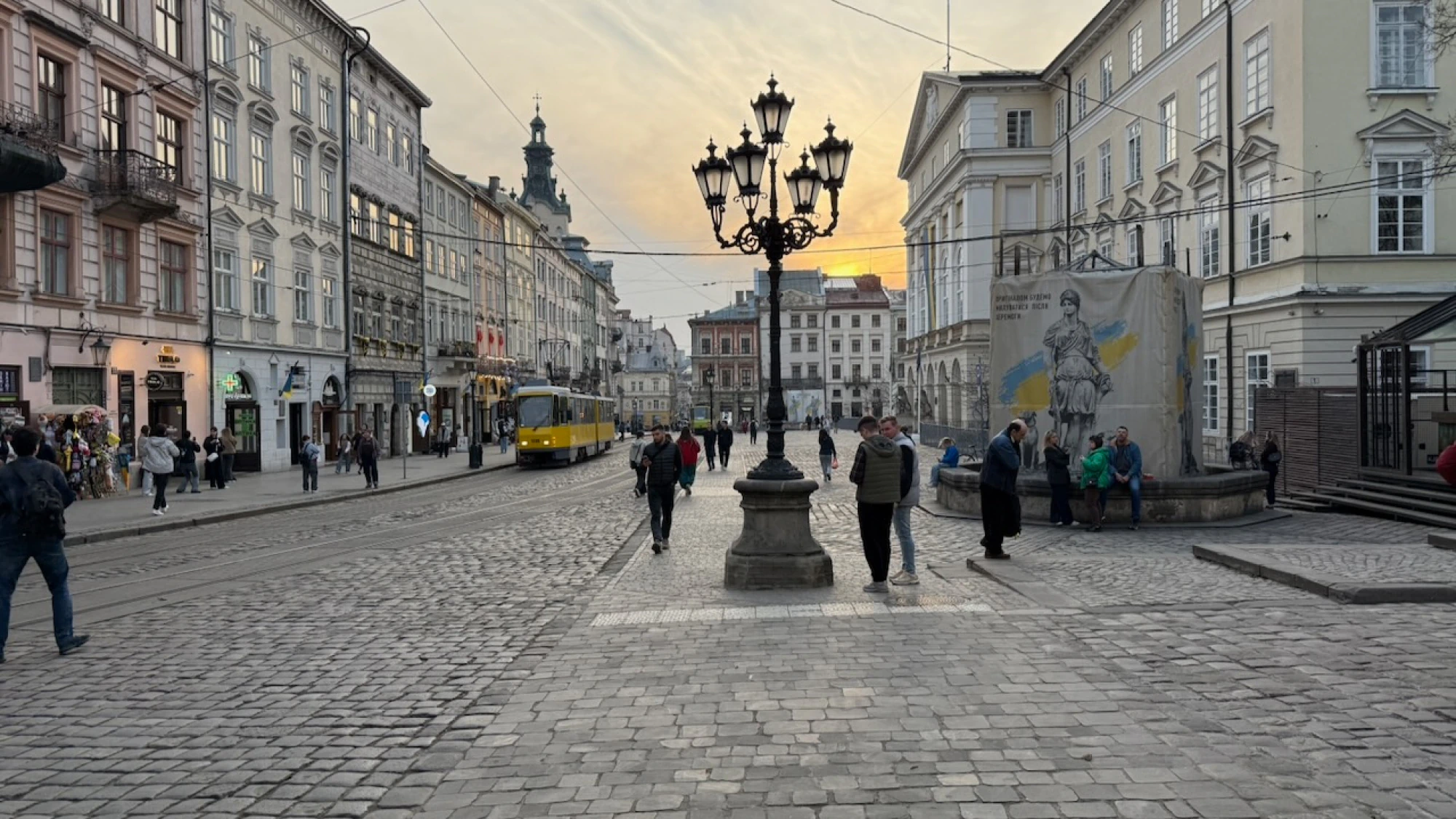
It’s not the adventure, though I won’t pretend the adventure isn’t part of it. Driving across northern Europe in a convoy feels like something—purposeful, kinetic, alive. I’m fortunate to have had my fair share of adventures, and this one ranks right up there among the best. But it’s not exactly a vacation.
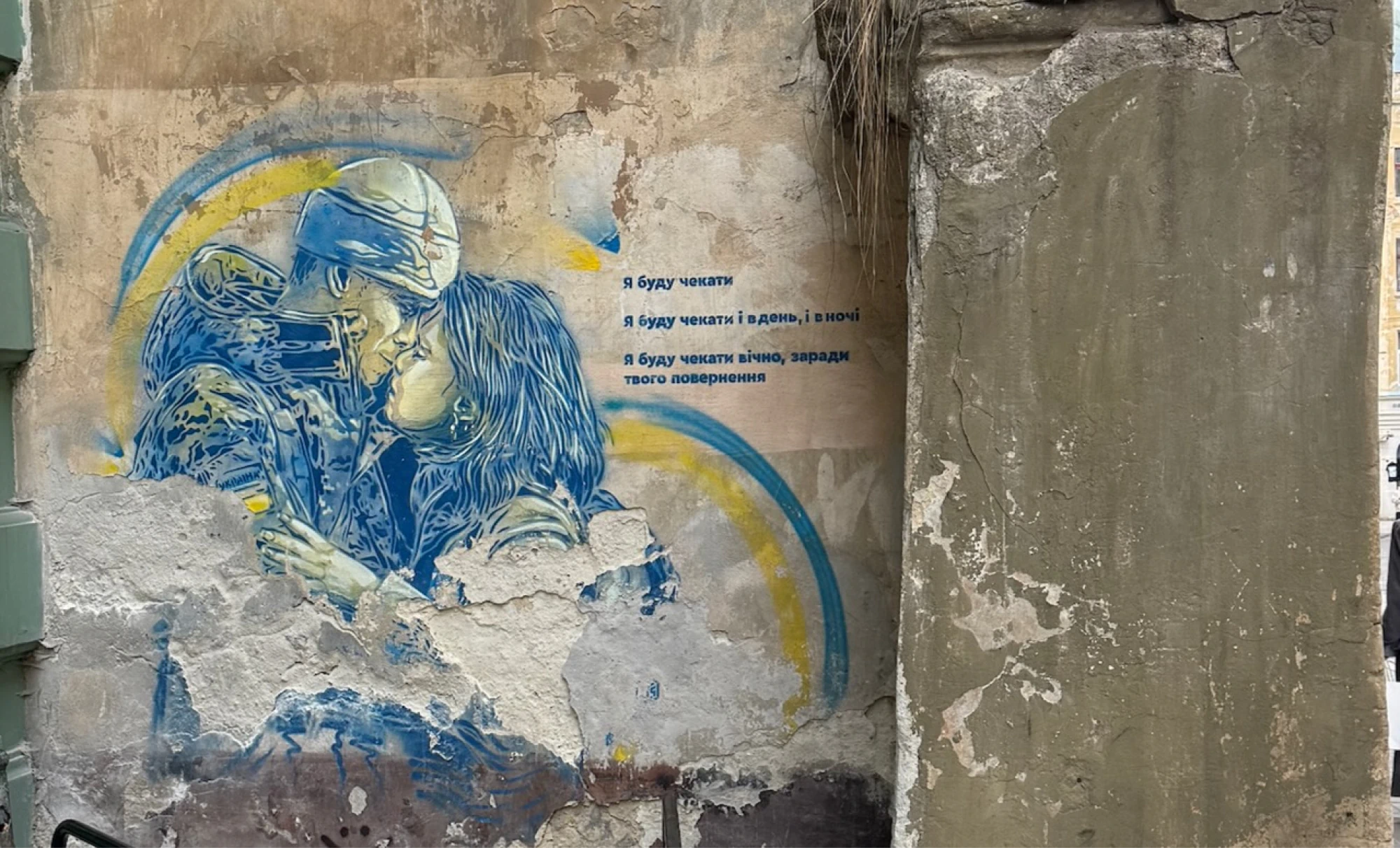
Part of it is the people. The Ukrainians I met weren’t victims waiting to be saved. They were doctors running hospitals, widows helping widows, comedians still telling jokes, printers still running presses. They were kind and thoughtful humans who welcomed me and made time for me. They didn’t want or need pity. But they did need vehicles, medical supplies, water purification systems, diapers.
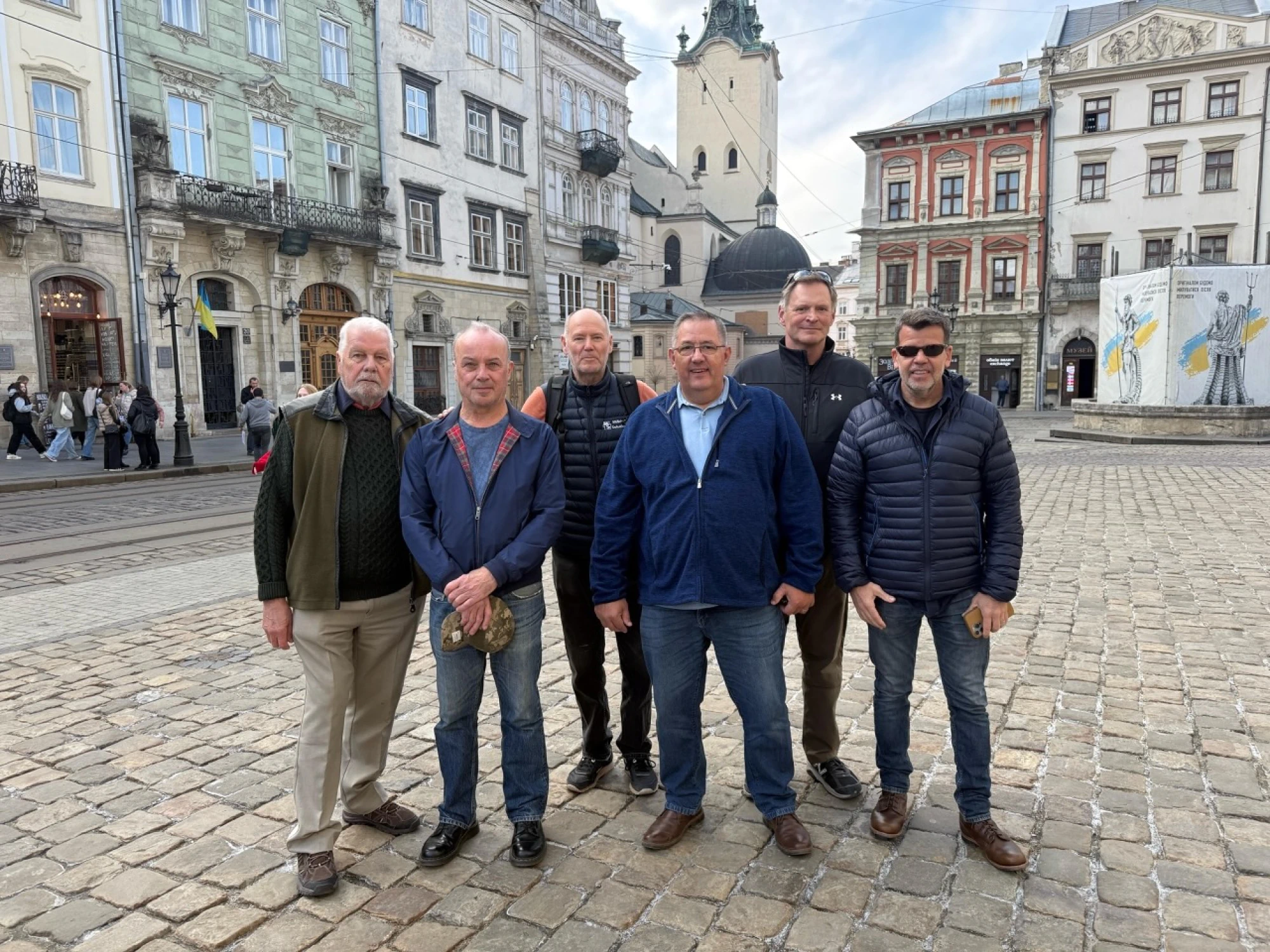
My fellow crew mates were, admittedly, the real highlight of my trip. Hanging out together at a pub in Lviv swapping stories was just one of so many fine memories I collected while traveling with these gents.
Another part of the draw to return is the energy I experienced. At the border crossing back into Poland, after days inside Ukraine, I felt something I didn’t expect—a kind of density, a heaviness to the air. Everyone who has crossed that line in the last three years has left something behind. Refugees. Soldiers. Mothers with children pressed to their chests. Aid workers running on caffeine and purpose. Journalists with notepads full of things observed they’ll never un-see. And there I was, a dude from Boerne, Texas, who showed up with a used ambulance, a bad cough, and a backpack.
At these checkpoints the noise drops away. You stop talking and just wait. The mood gets serious and there’s time to reflect on the despair around you. It’s not pleasant, but for someone who has lived such a privileged and sheltered life as I have, it’s a major mind expansion. I found that I returned home with a healthier perspective on my own place in society.
And part of it is that being in a country at war felt strangely more coherent than home.
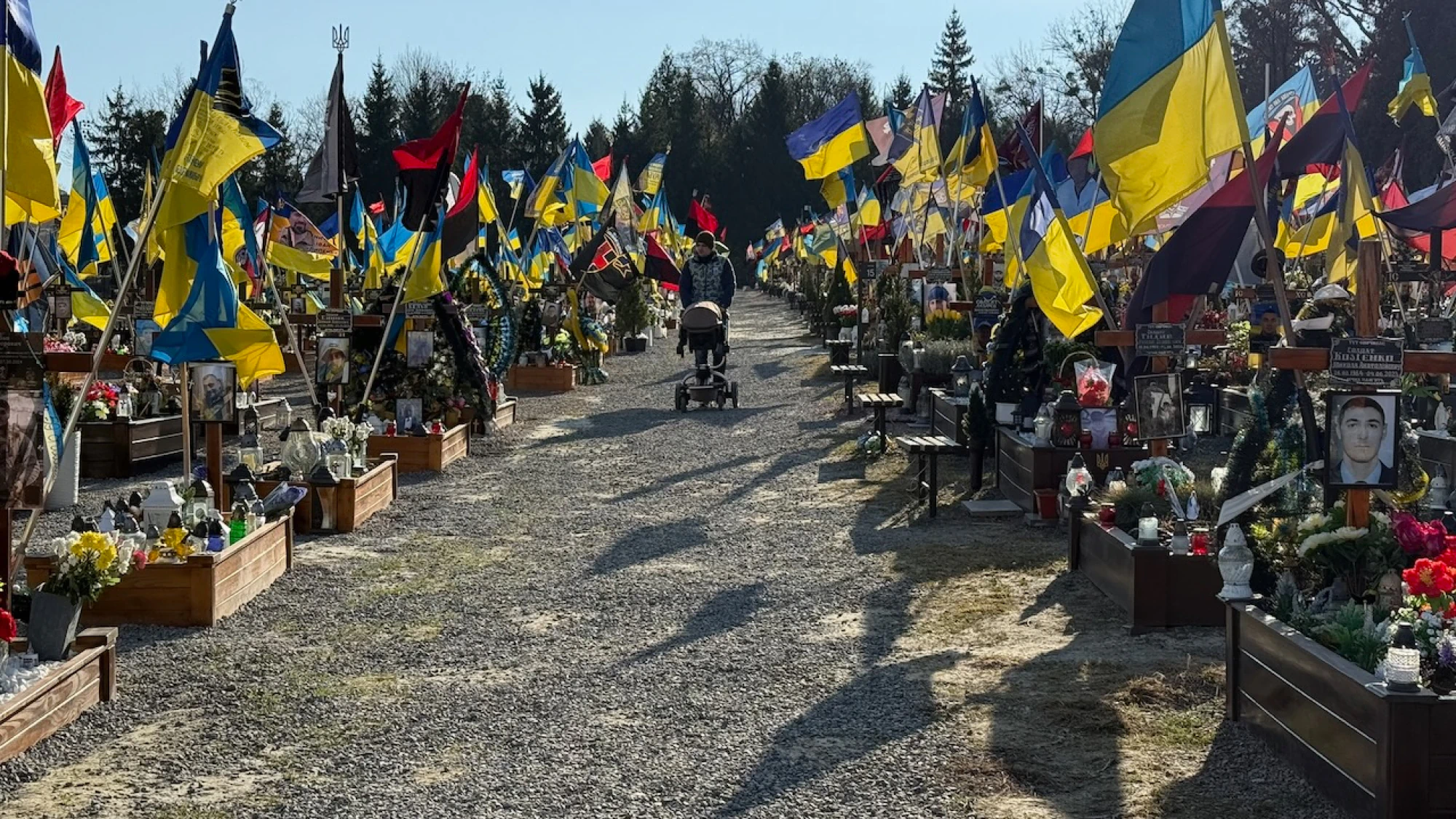
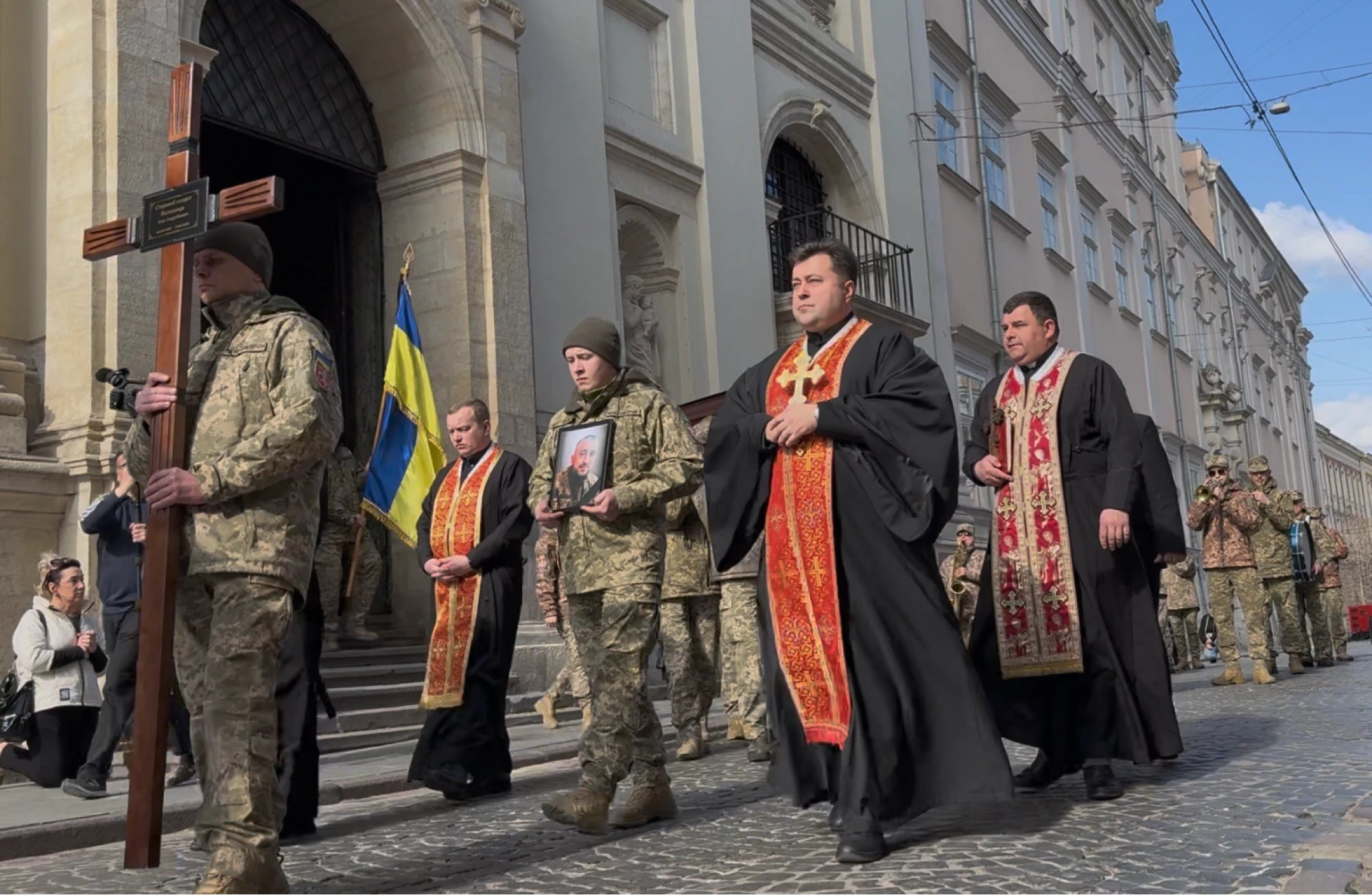
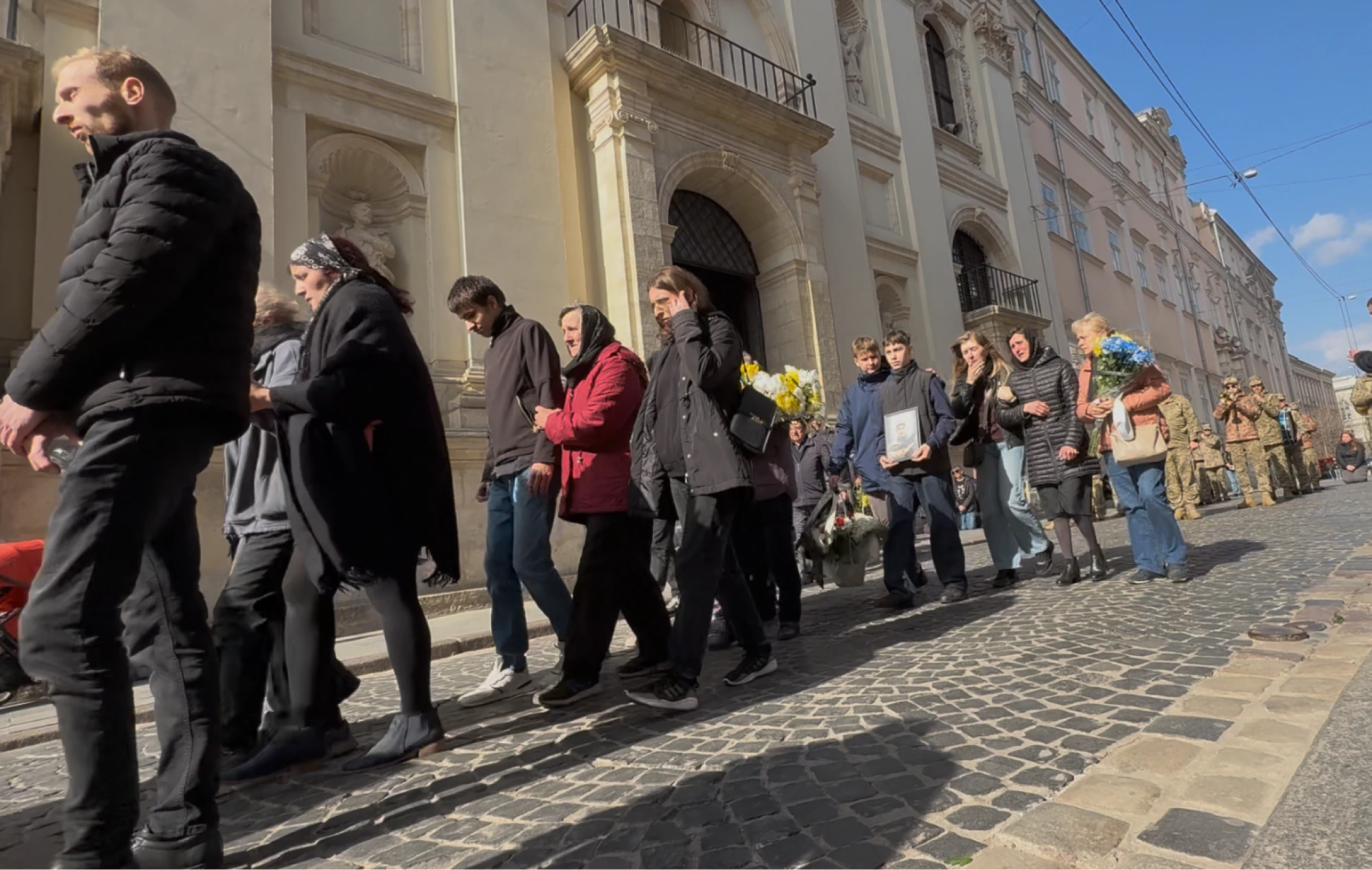
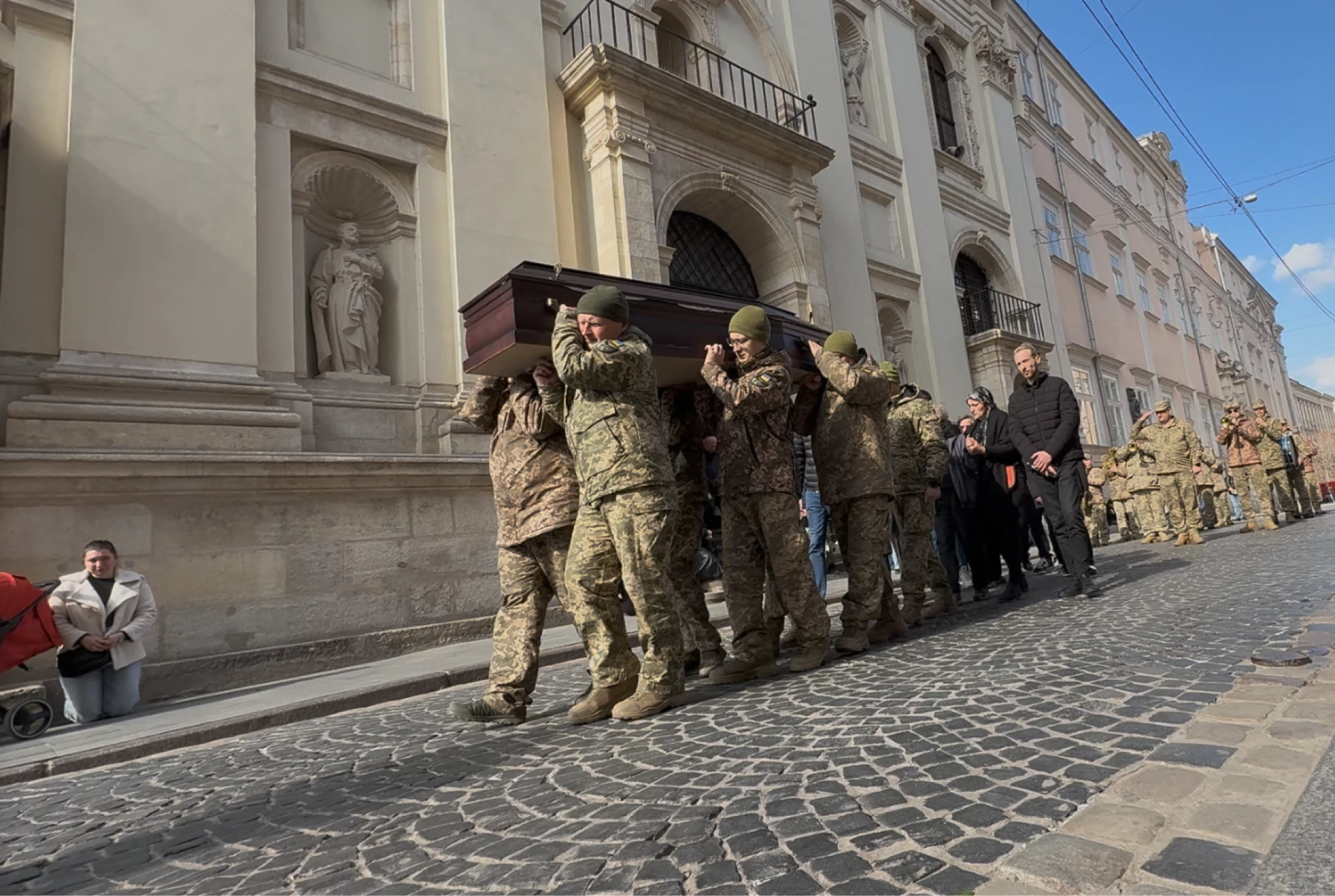
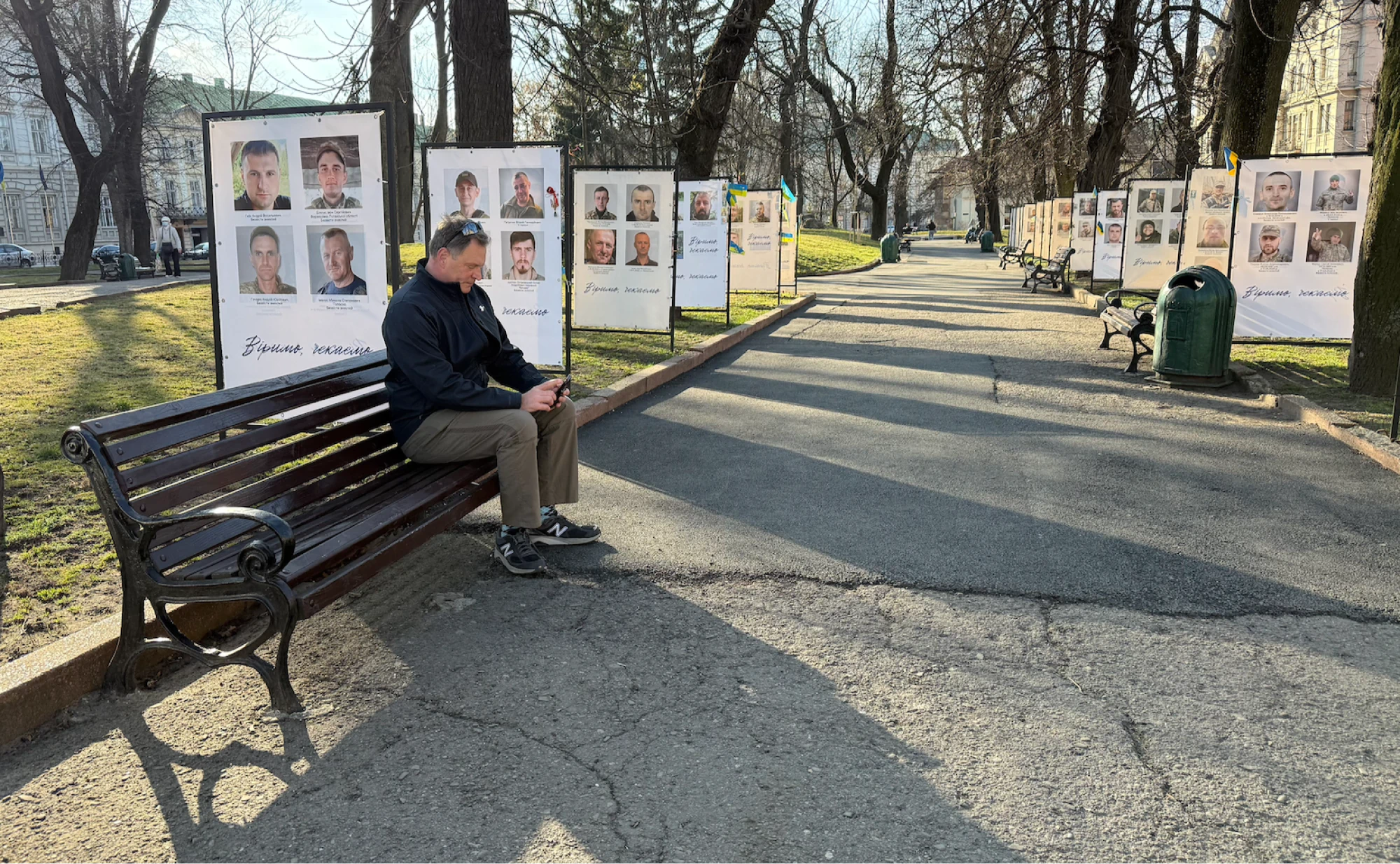
Not that I was dodging missiles. We may have heard a drone or two, and we clearly saw numerous signs of destruction, cemeteries lined with flags marking the graves of fallen soldiers. But the front lines were a hundred miles east of where I dared venture. What I mean is that in Ukraine, people know what they’re fighting for. There’s clarity, a purpose, a shared understanding that something precious is at stake and worth defending. The enemy is external and it’s obvious.
Back home, I’m not sure many of us realize we’re also in a fight, or what we’re defending if we do realize it. When I read the news—an activity on which I’ve had to cut back for my own mental health—I feel something between grief and nausea. I don’t lecture on politics, as people believe what they believe, and I have no business pretending I’m wiser or better than my neighbor. But let’s just say the divide between what we say we value and how we treat each other feels wider than it used to. For me, being in Ukraine, surrounded by people who’ve had everything upended and yet who are still building, still helping, even still laughing—it made me feel less alone in my discomfort regarding my own homeland.
Will you help me?
In five weeks, I’ll fly to London, meet up with the convoy, and do it all again. This time I’m raising $5,000 to help cover the cost of one vehicle—its purchase, repairs, and paperwork. I’ll drive it east across Europe, straight into Ukraine, and hand the keys to someone who needs it.
Every dollar goes toward the vehicle and the delivery. 100%. I cover my own travel.
If you’ve ever wanted to do something direct—something where you can see exactly where your help goes—this could be it. A car becomes a lifeline, an ambulance becomes a hospital on wheels. A Toyota Hilux becomes the transport for supplies to a village that can’t be reached any other way.
I don’t know if I’ll do this every year. I don’t know if the war will still be grinding on next March. I hope not. But right now, the need is real, and I’ve got five weeks to raise the money.
What $5,000 buys:
- One vehicle, purchased and repaired
- Paperwork and registration
- Fuel from London to Lviv
- Keys handed directly to someone who needs it
What your piece of that could look like:
- $50 fills the tank once
- $150 covers a border crossing fee
- $500 handles a critical repair
- $1,000 and you’ve bought a fourth of the vehicle
Any amount matters. This isn’t a charity with overhead and galas. It’s a vehicle, a driver, and a destination.
Here’s the link to my Rotary Club’s Ukraine page, where you’ll find a link to donate through Paypal. We’re a 501c3, and we get a discount on the transaction fee because of it.
If you can give, please give. If you can’t, maybe share this with someone who can. In either case you have my sincere gratitude. If you give, I’ll know it, and I’ll “take you along” best I can with photos and updates along the way.
If I happen to make it back to the same cafe in Folkestone, I won’t order the cappuccino this time. But I will celebrate my birthday again somewhere along the road to Lviv. I hope you’ll reach out!